




March 12, 2020

How do I remove face pits?

Remove face pits


Contents

  1. The face is engraved
  2. Effects of acne
  3. How to avoid face pits
  4. Ways to medically remove facial pits
  5. Ways to remove face pits naturally


    • Olive oil
    • Sodium carbonate
    • Lemonade
    • Option
    • Aloe Vera
    • Potatoes
    • Lemon and honey mask
    • Honey and oatmeal mask


                  Face pits

                  When a wound is healed, it eventually turns into a hole or scar, and facial drilling comes in many forms and for various reasons, such as injuries, acne, burns, or surgery, and the process of finding ways to remove acne pits from the face is not an issue. Easy, and a lot of people who suffer from potholes are looking for a radical solution to this matter to obtain greater confidence and aesthetic and healthy appearance of the skin, and since the face is exposed to the environment and the surrounding elements, this may make the duration of the process of removing the pits a long time, so patience must be obtained to obtain Required results.


                  Acne traces

                  Acne is a skin disorder caused by blocking oils and dead skin cells present in the skin for pores, and occurs frequently in adolescence in males and females and fades after them, there are many reasons for the emergence of acne as an increase in male hormones and their concentration in puberty, or taking medications included in the composition of lithium and male hormones, Or the use of skincare products that consist of oils, or due to genetic factors and the presence of family history, and often appear in several areas of the body most prominent in the face and neck in the form of black and whiteheads, infectious cutaneous pimples, pits or scars in Skin.


                  How to avoid face pits

                  • Here are some ways to avoid and minimize the chances of pits or scars appearing on your face:
                  • Treating pimples as soon as possible as they arise so that the condition does not worsen and thus protect the skin from the formation of pimples, scars, and pits resulting pimples.
                  • Treating grain inflammation and preventing skin irritation resulting from violent facial washing or the use of some inappropriate creams, because the inflamed pill is one of the biggest causes of facial drilling.
                  • Failure to squeeze, squeeze or squeeze grains, especially nodules and abscesses, will exacerbate the condition and serious infections and hence the emergence of deep holes that may be permanent on the face.
                  • Knowing if the skin is more susceptible to the formation of pits, some people do not show pits despite their acne, and other people have pits on their faces despite the smallness and simplicity of their acne, and this is done through a dermatologist’s review to define and develop a treatment plan for the skin.
                  • Treating nodules and abscesses that destroy skin tissue and leave very deep holes, by consulting a doctor who determines the appropriate treatment for the skin and avoids the formation of holes.


                  Medical methods to remove facial pits


                  The medical methods used by dermatologists to remove facial pits are varied, and the method is determined based on the patient's condition. The most prominent of these methods are:


                  • Skin peeling, which removes layers of skin, stimulates the body to reproduce new skin cells. This technique deals with surface drilling, not deep holes that need other techniques. The types of peeling used are divided into:

                    • Laser peeling.
                    • Chemical peeling.
                    • Irritation or itchy skin.
                    • Microdermabrasion of the skin.

                  • Injecting the skin with special materials such as collagen or a sample of the patient's fat to fill the pits and scars on the face, some injections have a temporary effect that lasts from 6 to 18 months, while others have a lasting effect.
                  • Tighten the skin by using radio wave technology, which requires more than one session in addition to intensive care after each session, and make sure to apply night creams and sunscreen in the morning.
                  • Acupuncture stimulates the production of collagen by the skin, and this technique requires several sessions determined by the doctor, the results take a long period of time reaching nine months.
                  • Local surgery is done inside the clinic, and it is for cases where the pits are very clear and deep.
                  • The use of some creams prescribed by the doctor in addition to silicone dressings that reduce the annoying itching and make the skin more flexible and work to reduce the effects of drilling until they fade, and until the best results are obtained, continue to put these products.


                  Methods for removing facial pits naturally

                  These are the most prominent natural methods and recipes that remove face pits, which can be done at home with ease:

                  Olive oil

                  Olive oil reduces facial pits and lightens dark pits.

                  Ingredients: 1 tablespoon of olive oil.
                  How to use: Slowly apply the face with olive oil to the massage method, then put an evaporated towel on the face, where it works to lighten the pores of the face and make it smoother, then leave the towel on the face until it cools, then remove and wipe the oil from the face.


                  Sodium carbonate

                  Sodium carbonate is a natural exfoliating scrub by eliminates dark spots and digging into the face.

                  Ingredients: 1 tablespoon of sodium carbonate, and 1 teaspoon of water.
                  How to use: Mix the ingredients together until a paste is obtained, put the dough on the face and rub it in circular motions, then wash the face with lukewarm water and dry well.

                  Lemonade

                  Lemon juice is a natural alpha-hydroxy acid and is used to hide pits and scars, stimulate the skin and promote healing. It is recommended to repeat applying lemons to the face every two or three days to get the desired results.

                  Ingredients: one lemon juice, a piece of cotton
                  How to use: Juice can be diluted with water if the skin is sensitive, then the cotton swab is doused with juice and placed on the pits, then left to dry completely, after that the face is washed with cold water and dried well, and moisturizes the face with a natural moisturizer.

                  Cucumber

                  The cucumber is one of the most popular elements for treating facial problems, as it is a wonderful moisturizer for the skin and contains a lot of essential elements for the skin, such as vitamin A and vitamin C in addition to magnesium, and for best results, it is advised to put the cucumber on the face daily.

                  Ingredients: one cucumber.
                  How to use: cut the cucumber into thin slices, then placed it on the face focusing on the drilling areas, and the slices are left on the face for 30 minutes, after which the face is washed with cold water and dried well.

                  Aloe Vera

                  Aloe Vera helps treat swelling of the skin in addition to regenerating damaged tissues and promoting the healing process. 
                  It is advised to use fresh aloe vera gel that is extracted from the aloe vera leaf instead of the cosmetic products it contains, and it is recommended to repeat the application of Aloe Vera to face pits twice a day to obtain results within a few days.

                  Ingredients: Cactus leaf.
                  How to use: Peel the aloe vera leaf and remove the outer shell, extract the gel from it and put it on the face pits and leave for about half an hour, then wash the face well and dry.

                  Potatoes

                  Potatoes can remove facial pits very efficiently if used continuously on the face, it is recommended to use them three to four times a week for a month or two depending on the condition and severity of the pits.

                  Ingredients: Fresh potato.
                  How to use: Peel the potato into round slices, then rub the slice on the face in circular motions. Continue this until the potato slice dries, put another on the face and repeat the same steps for 15-20 minutes, then leave the face until it absorbs the potato juice, and then wash and dry It is well-moisturized and suitable for the skin.

                  Lemon and honey mask

                  This mask works to remove the pits resulting from acne and get rid of them. Lemon is a natural bleach that contains vitamin C, which helps build collagen, and relieve scars, dark spots, and redness. As for honey, which in turn is known to get rid of acne, it is also effective in mitigating its effects. Mask every day for at least two to three weeks.

                  Ingredients: lemon juice, 1 tablespoon of honey, and 1 piece of cotton.
                  How to use: Mix lemon juice and honey well, then immerse the cotton swab in the mixture, then place the cotton swab over the face or on the pits directly and leave the mixture on the face for 10-15 minutes, then wash the face with water and dry well.

                  Honey and oatmeal mask

                  This mask removes pits and scars.

                  Ingredients: Two tablespoons of honey, and a quarter cup of oatmeal.
                  How to use: Mix the ingredients together well, then put the mixture on the face pits, leave for 15-20 minutes, then wash the face with lukewarm water and dry well.

                  March 11, 2020

                  Breast augmentation methods


                  Breast augmentation
                  Breast enlargement is a manifestation of femininity and beauty since ancient times, so some women are interested in enlarging their breasts by following many methods such as costly surgeries, fat injections, exercising, exercising a specific food pattern, and using home recipes.

                  Herbs
                  Herbs can be used, whether raw or herbal preparations, such as grains and creams that herbs enter into the formula for breast enlargement. Among the most prominent of these herbs are:


                  • Fenugreek: Fenugreek has chemical properties that have an effect similar to that of estrogen, and is used by mixing a cup of the fenugreek with a small amount of water to obtain a coherent dough, distributing the dough on the breast with a massage gently, and leaving it for ten minutes before rinsing it with water, and it is recommended to follow the mixture twice Daily.


                  • Fennel seeds: Flavonoids raise the level of estrogen in the body, and promote tissue growth in the breast, and are used by mixing two tablespoons of fish liver oil with an equal amount of fennel seeds homogeneously, and heating the mixture on a gentle heat until the seeds turn red, then leave the mixture To cool down and use it to massage the breast for five minutes, and leave it for about half an hour before washing it with warm water, and it is recommended to follow the method twice a day for at least a month.


                  • Red clover: Alfalfa consists of four phytoestrogens that enlarge the breast, and are used by boiling a tablespoon of dried red clover flowers in a cup of hot water for half an hour, then leave the boiling until cool and drink it like tea at a rate of three times per day.


                  • Palm pollen: It contains many plant nutrients and fatty acids that develop breast tissue, and is used by drinking three cups of palm tree tea daily.
                  • Other ways
                      • Massage the breast regularly to promote cell growth in it, by using olive oil, almond oil, or fenugreek oil.

                      • Eat a diet rich in fruits and vegetables that supply the body with vitamins and essential mineral salts.


                  Doing exercise

                  Exercise increases chest size, such as:

                  • Chest muscle exercise: adjust the exercise seat to a 60-degree angle, hold the dumbbells in each hand, lie down on the seat, place dumbbells on the thighs, then lift them toward the shoulders, bearing in mind that the palm of the hands are forward, and the elbow is bent at right angles, and then extend the hands upward above Chest and lower them slowly, and repeat the exercise eight times.
                  • Push-up exercise: Lie flat on the abdomen, then push the body upward, relying on the muscles of the arms, chest, and legs.

                  What is the treatment for periodontitis?

                  Contents

                  1. Gingivitis
                  2. Gingivitis treatments
                  3. Cleaning teeth
                  4. Use of medicines
                  5. surgical treatment
                  6. Causes of gingivitis
                  7. Prevention of gingivitis

                  Gingivitis is a common disease of the gums that appears in the form of redness and swelling in the gums, accompanied by bleeding easily from them when brushing or flossing the teeth, and a distinction must be made between gingivitis and periodontitis, where gingivitis affects the teeth around the gums, while inflammation affects the teeth. Periodontitis is also on the bone surrounding the teeth, and if gingivitis treatment is neglected, inflammation progresses to affect gingivitis, according to the American Dental Association, periodontitis and periodontitis are among the most important causes of tooth loss in adults. It is possible for gingivitis to develop into gingivitis, but this does not have to happen.

                  Gingivitis treatment

                  Treatment of periodontitis is based on the principle of removing all factors that lead to the appearance of inflammation, and treatment can be classified into three main categories as follows:

                  Cleaning teeth

                  Teeth cleaning is necessary to remove the layer of plaque and tartar that causes gum irritation.

                  This is done in a dental clinic, and the teeth are cleaned using hand tools, an ultrasound device, or a laser. Cleaning includes the following operations:

                  Lime or tartar deposits above and below the gums.

                  Root planning: in which the contaminated protrusions on the surface of the root are removed, and then smoothed.

                  Using the laser: The laser is less painful for the patient and does not cause excessive bleeding.

                  Use of medicines

                  There is a group of medications used to treat periodontitis, including the following:

                  Mouthwash containing chlorhexidine which has healing properties and has an oral sterilizing effect. Sterile wafers These chips contain chlorhexidine, which is released from the flake into the gum overtime after being placed inside the periodontal pocket after root scraping. Antibiotics, which are used to treat inflamed areas for a long time, include the antibiotic doxycycline.

                  Surgical treatment

                  Periodontitis is sometimes treated with certain surgical procedures, including the following:

                  Flap surgery:

                  In this type of surgery, the gums are surgically raised so that the tartar under them can be removed, and then the edges of the bones are leveled if they are irregular in shape, and this helps to cancel the places that give bacteria a chance to hide in them and then the gums return to encircle the tooth and eliminate the space between the gum and the tooth, and this process is called Also sinus reduction surgery. Bone grafts and soft tissue grafting: Separate pieces of bone are placed from the same person, or a donor or the grafts may be artificial bone grafts to replace bone in areas destroyed by gingivitis, as well as periodontal vaccinations applied to areas where the gums have receded or the thickness of the gums is minimal, and the gum graft is usually taken from the gums that cover the roof of the throat.

                  Causes of gingivitis

                  The main reason behind gingivitis is the accumulation or formation of the plaque layer. Plaque is considered a thin layer of bacteria that collects on the surfaces of the teeth. When the inflammation is neglected and left untreated, this leads to the separation of the gums from the tooth, and the matter may develop to reach the stage of damaging the soft tissues and bone supporting the teeth, which leads to instability of the tooth, which in turn may lead to the loss of the tooth, and there are many factors that contribute to the occurrence of inflammation of the Ih, Among these factors are the following:

                  • Smoking and chewing tobacco, of which reduce the gum's ability to heal.
                  • The hard-to-clean places that form a suitable environment for plaque and tartar gathering, these places result from the erratic arrangement of the teeth, i.e., oblique, and crooked teeth.
                  • Bad eating habits such as eating foods rich in sugars and carbohydrates, and low water content, would increase the chance of plaque formation, and it should be noted that the lack of eating foods rich in vitamin C may delay or prevent gum healing.
                  • Some types of medicines and diseases, including epilepsy drugs such as phenytoin, as well as some drugs for angina and high blood pressure, and these drugs include calcium channel blockers, as well as some drugs used in the treatment of Cancer. The diseases that lead to gingivitis include diseases that reduce the body’s immunity, such as AIDS, leukemia, some viral and fungal infections, and cancers.
                  • Diabetes is due to the weakening of blood circulation, which reduces the ability of the gums to heal.
                  • Hormones change, as changing hormones increase the sensitivity of the gums and make them more susceptible to inflammation, as is the case during pregnancy, the menstrual cycle, puberty, and at the age of hope. It should be noted that periodontal diseases constitute 70-90% of puberty.
                  • Stress and anxiety, due to their ability to weaken the body's immunity.
                  • Dry mouth, breathing through the mouth.

                  Causes of breast pain

                  Contents

                  1. Breast ache
                  2. Causes of unsatisfactory breast pain
                  3. Causes of sore breast pain

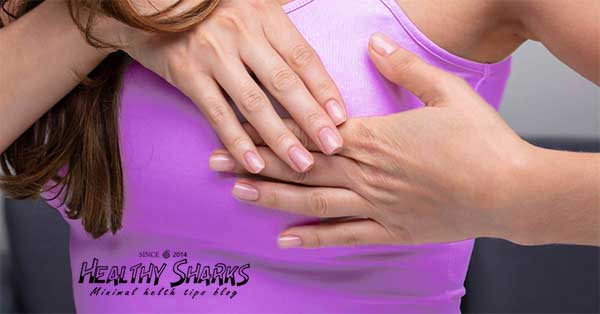
                  Breast pain happens to many women who feel pain in the breast area or armpit, so they are worried about their fear that the cause of the pain is breast cancer, but the feeling of pain in the breast area is not a symptom of breast cancer. Breast pain is a common pain in women, and based on a study conducted by a medical center affiliated with the Sutter Health System in California, 50% -70% of women around the world feel the pain, and the nature of breast pain varies from woman to another, and it may come in some women as Periodically, i.e. related to the menstrual period, or not periodically, and a woman may feel pain in one breast and not both, and the severity of pain may differ from one woman to another, as the pain is acute in a woman and less severe in another, and it is worth noting that many things can cause breast pain.

                  Unsatisfactory causes of breast soreness

                  There are many reasons that may be causing a woman to feel breast aches, including the following:

                  Hormonal fluctuations: where the perceived pain in the breast is related to the menstrual period and the fluctuations of the estrogen and progesterone hormones during which the woman feels flatulence, and some pain in it two or three days before the menstrual period begins, and the woman may still feel the pain during the menstrual period, and the feeling may stop Painful, and if the woman feels breast pain periodically and related to the menstrual period, it is possible that these pain disappear when she reaches menopause and menstruation stops.

                  If the breast pain is related to the fluctuations of the cyclic hormones, the woman will feel pain in both her breasts, and the pain may transfer to the armpit area, and perhaps the arms as well, and the nature of the pain as a feeling of heaviness and pain, and usually does not require breast pain due to cyclic hormonal fluctuations to treatment, or perhaps eating Any pain reliever, such as acetaminophen, to relieve pain.

                  Puberty: The cause of breast ache can be puberty in girls. Breast pain is natural due to changes in the body of a girl in adolescence.

                  • Pregnancy: The cause of breast pain can be pregnancy, as it is possible for pregnant women to feel breast pain during pregnancy, especially in the first three months of it.
                  • Breast congestion with the mother's milk: This occurs in a woman after having a baby and the breast is filled with milk. This milk must be emptied either by breastfeeding the baby or by emptying it manually.
                  • Some medicines: There are some types of medications that can cause pain in the breast or increase the pain in it, such as:
                  • Some heart medications.
                  • Chlorpromazine.
                  • Some types of diuretics.
                  • Spironolactone.
                  • Methyldopa.
                  • Smoking: When smoking increases the epinephrine in the breast, it may cause the woman to feel pain in her breasts.
                  • Large breast size: The large breast can cause non-periodic pain in the breast area of ​​a woman, and it can also cause pain in the neck, shoulders, and back.
                  • Non-breast causes: Breast pain may be unrelated to the breast, and the cause is from the chest, or from the muscles of the back or arms, and it may be the result of women playing sports that may have affected the area around the breast.
                  • Anxiety and pressures: It is possible for a woman to feel pain in her breasts as a result of exposure to life pressures, and her feeling of constant anxiety.
                  • Bras: An inappropriate bra can cause breast pain.
                  • Diet: An unhealthy food that a woman eats can cause pain in the breast, for example, high-fat food.

                  The causes of breast pain

                  There are some diseases and health problems that may cause breast pain, including:

                  • Milestones in a woman as a result of an infection, as a woman can feel severe postpartum soreness in the breast, feel burning, itching, and cracking of the nipple, as can be accompanied by redness of the breast along with a high body temperature and a feeling of chills, often inflammation affects the breastfeeding woman, but it is possible It also affects non-breastfeeding women. 
                  • As for breastfeeding women, mastitis often occurs in the period after the birth of the child for a period of 6 to 12 weeks, but it can happen to the woman during the period of breastfeeding her child.
                  • The breast can become inflamed as a result of the transmission of infection from the child's mouth or from the skin around the breast, or as a result of not emptying the breast well during breastfeeding, which leads to clogging of the milky channels as milk returns and inflammation of the breast, and the treatment of mastitis is by giving the appropriate antibiotic and pain relievers such as acetaminophen or Ibuprofen, as well as taking a rest and self-care while breastfeeding, and making sure to empty the breast by learning the correct way to breastfeed the baby.
                  • Fibrocystic Breast: Some breasts of women are naturally composed of fibrous cystic tissue, where a woman feels that her breast contains many lumps, but these lumps have nothing to do with cancerous masses and are filled with fluid and not cells, and thus Fibrocystic breasts can cause pain to the woman periodically, as the size of these fibrous cysts increases as the menstrual period approaches. It is worth noting that after any breast surgery, the scar resulting from the surgery may cause pain even after the surgical incision has healed.

                  Reasons for delaying the menstruation period


                  The menstruation period
                   is defined as a cycle of physical changes in the girl's body that is controlled by female hormones, and you cause regular bleeding that usually occurs once a month, comes from the uterus and flows through the vagina, and the personal actor who practiced it may start between the ages 9-16 Year. 


                  It is worth noting that it is the task of the menstruation period to prepare the woman’s body for pregnancy, in which no pregnancy occurs that causes menstrual blood flow; Pregnancy does not occur. 

                  Hormone levels differ. The endometrium begins to separate from the uterine wall, and bleeding begins. 

                  Once the endometriosis is shed, menstruation begins again. The length of the menstruation period varies among women. 

                  Women in their twenties and thirties may have a period of 21-38 days.


                  Reasons for delaying the menstruation period  The delay of the menstruation period  may be delayed, especially for those who are accustomed to it at its time and a regular period each month is worrying and painful at times, and there are many reasons that can lead to a delay in the menstruation period  due to its date, including:

                  Feeling of tension: It was noted that the prolonged period of tension and mood swings affects the menstruation period in a woman, as it may take her longer or shorter than usual, and may also cause her to be absent or delayed. 

                  • In fact, when the tension causes the delay of menstruation, the woman may suffer from very painful cramps, and for this, it is advised to avoid the main reason that was a source of tension, exercise regularly, and make sure to get a sufficient amount of comfortable sleep, which helps to get rid of tension and reduce The severity of the menstruation period, and regularity again.
                  • The period around menopause: Menopause is known among men as menopause or age of hope, and the average age at which menopause occurs is 52 years, and the absence of a menstrual period for a period of not less than 12 months means that sometimes many women suffer from symptoms of a period around Menopause early, i.e. 10-15 years before the complete menopause, has a delayed menstruation period and an irregular period, and these symptoms are due to an imbalance in the levels of the estrogen hormone, which in turn regulates the menstruation period in women.
                  • Weight loss: Extreme weight loss and intense exercise are strong reasons for late menstruation, so weight loss from healthy body weight or lower body fat percentage than normal can alter reproductive hormone levels and reduce them to a level that does not allow ovulation or menstruation For this reason, it is advised for a woman whose menstruation is later than her due date after losing a large weight to consult a dietitian to obtain the appropriate amount of vitamins, minerals and nutrients her body needs.
                  • Obesity: As we mentioned above, significant weight loss affects a woman’s menstruation period, and obesity also negatively affects a woman’s menstruation period.
                  • Taking contraceptive medications: Some types of contraceptive medications depend on hormones that may cause the absence of menstruation for a certain period. In fact, these medications usually contain the estrogen and progestin hormones, whose job is to keep the endometrium so thin that there isn't enough lining to cause menstruation.
                  • Hormonal changes: Any disturbance or imbalance in the levels of some hormones in the woman’s body may delay the menstruation period, such as thyroid hormones and prolactin hormone, also known as the milk hormone, and it is worth noting that this is easy to detect by conducting tests Blood for these hormones, and after that, see the specialized doctors determine the causes of the hormone imbalance levels, some of which are inherited within the family, including evidence of a critical illness.
                  • Polycystic ovary syndrome: PCOS is considered one of the most important hormonal disorders that affect women of childbearing age, and what distinguishes them is the formation of small bags on the ovaries, the increased chance of acne, and the increase in facial and body hair. It is worth noting that it is necessary to refer to the doctor in order to assess the pathological condition of a woman who suspects she suffers from these symptoms, and if this condition is not treated properly in a woman of childbearing age, it may increase the chance of developing endometrial cancer.
                  • Pregnancy: When a woman is married, she should not exclude the occurrence of pregnancy as a reason for the delay of the menstrual period, even if she uses methods to prevent a proper and regular pregnancy, in fact, there is no 100% effective method of contraception. It is very important to make sure to perform a home pregnancy test and to see a doctor if the pregnancy test gave a negative result, but there is still a delay in the menstruation period.
                  • Some diseases: suffering from uterine fibrosis, pelvic inflammatory disease, diabetes, and wheat allergy.
                  • Breastfeeding: The menstruation period may be absent or delayed at intervals during the period of breastfeeding, especially if breastfeeding is the only source of nourishment for the child.


                  Lower back exercises


                  Contents

                  1. Stretch from the bottom of the heel
                  2. rotary stretching exercise
                  3. reverse arms and feet lifting exercise
                  4. Back Stretch Exercise (Superman)


                  Stretching from the bottom of the heel This exercise works to relieve lower back pain, improve its flexibility and strength, and care must be taken daily, along with various activities, such as walking, swimming, or yoga, and this exercise is done by:


                    • Kneel on the four limbs, with the knees under the hips and hands under the shoulders.
                    • Maintaining straight back and neck, and not closing elbows.
                    • Slowly move the lower back towards the heels, and hold for one deep breath before returning to the starting position.
                    • Repeat the process from eight to ten times, taking into account stretching only as far as the person feels comfortable, and not exercising when suffering from knee problems.

                  Rotary stretching exercise 
                  This exercise can be done by following these steps:

                  • Lie on the back with the knees bent, and feet flat on the ground.
                  • Keep the shoulders staying firm on the ground, and wrap the bent knees together to one side.
                  • Hold for five to ten seconds, then return to the first position.
                  • Repeat the process on the other side.
                  • Repeat the exercise two to three times on each side, preferably one time in the morning and again at night.

                  Reverse arms and legs lifting exercise 
                  This exercise can be practiced by following these steps:
                  • Place the knees and hands on the ground, keeping them nearly by the width of the shoulders, with the hip bent at a 90-degree angle.
                  • Lift the right arm, left leg off the ground, keeping the back, and abdominal muscles steady.
                  •  Repeat the exercise for the other side by raising the left arm and right leg.
                  • Repeat the exercise ten to fifteen times for each side.
                  • Ensure that the head and back remain in the optimal position while moving, as well as keep the shoulders and hips steady.

                  Superman stretching exercise 
                  This exercise can be done by:
                  • Lie on the ground, with the face on the ground, with arms extended on both sides, and a towel can be placed under the front, to lift the front slightly from the ground.
                  • Tighten the abdominal muscles to support the back, then lift the chest and head off the ground, while maintaining the stability of the feet on the ground, and ensuring that the neck remains at the level of the spine.
                  • Return to the starting position, and repeat the process ten to fifteen times.
                  • Exercise strength can be increased by extending the arms forward and placing hands on top of the head.
                  • Take care not to lift the head more than (20-30) cm from the ground to avoid exposure to excessive stretching.
                  • The feet can be raised while the torso is raised in this exercise.


                  Loss weight in 1 month !


                  1. Eat breakfast
                  2. Exercise
                  3. Get adequate sleep
                  4. Tips for losing weight


                  1. Eating breakfast is one of the three important meals during the day, but breakfast is the most important main meal, as it helps to feel full, reduces cravings for snacks during the day, and maintains blood sugar levels, in addition to helping To lose weight quickly, therefore it is advised to eat between 400 to 500 calories at breakfast, while making sure that the meal contains protein sources, saturated fats, such as nuts, eggs, unsweetened yogurt, and beans, in addition to fiber sources. For example fruits, vegetables, whole grains.

                  2. Doing exercise should be careful to exercise while trying to lose weight. Reducing caloric intake without exercising helps to lose muscle and fat, as the body works to burn muscle protein in the muscles with fat to obtain energy sources, and from exercises that help Weight loss, cardio exercises, one of the most popular exercises to lose weight and burn calories, including running, swimming, walking, and cycling, where a ten-month study was conducted on the effect of cardio exercises on 141 people suffering from Obesity, they were not required to reduce calories, and they were divided into three groups, and the results appeared as follows:

                  The first group that burned 400 calories by practicing cardio for five days a week, lost 4.3% of their weight. The second group, which burned 600 calories by practicing cardio for five days a week, lost 5.7% of their weight. The third group that did not exercise, they gained 0.5% weight.

                  3. Get enough sleep, to get enough rest, as it is advised to sleep at least seven hours every night, as scientific studies have linked sleep to weight loss, as the amount and quality of sleep may affect hormone regulation. Ghrelin is the hormone that controls appetite.
                  Tips for losing weight 

                  4. There are many tips that can be followed to lose weight, including:
                  Reducing the daily intake of calories. Drink more water, it helps increase the feeling of fullness. Eat on small plates, to reduce the amount of food eaten during the meal. Exercising on an empty stomach. Morning is the best time to exercise before eating.